

The Heartwarming Impact of Pet Therapy Programs in Charity Work
- Alex

- Aug 6, 2025
- 5 min read
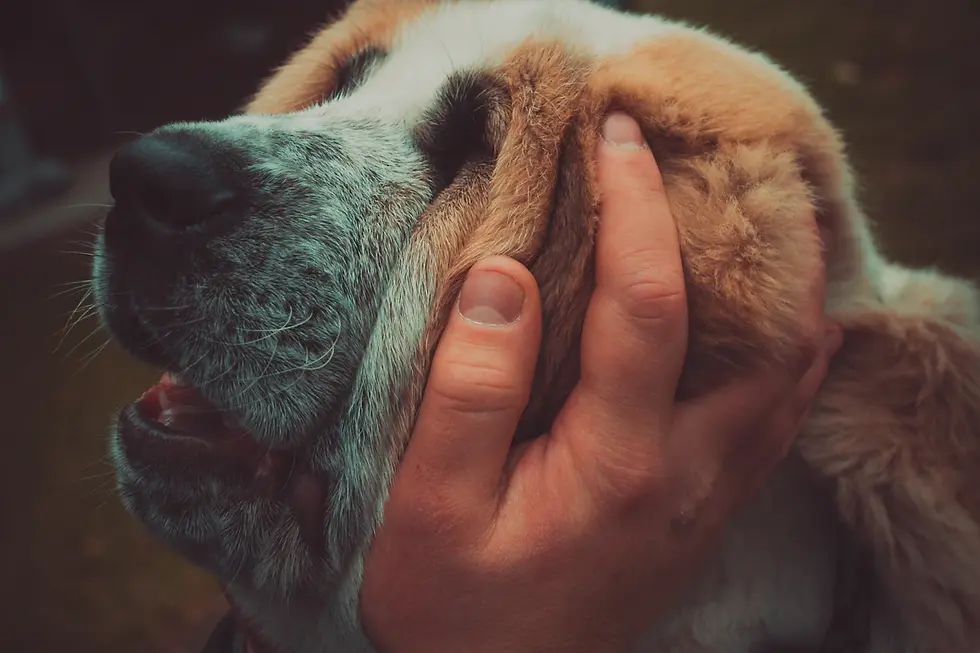
In an age where mental health awareness is blossoming, many innovative approaches are emerging to provide comfort and support to those in need. One such approach is pet therapy, which has proven to be particularly transformative within charity initiatives. If you’re a pet lover or simply intrigued by the benefits of animal interactions, come explore how the power of our furry friends is making a significant impact in the world of charitable work.
Understanding Pet Therapy
Pet therapy is a guided interaction between a trained animal and a person that aims to improve the individual’s mental, emotional, and physical well-being. It can include a variety of animals, though dogs and cats are the most common choices. This interaction has a unique, palpable effect on people, often yielding a sense of peace, joy, and acceptance.
The Science Behind Pet Therapy
Numerous studies have highlighted the psychological benefits of pet therapy. Here are a few impactful findings:
Improved mood due to the release of endorphins.
Reduced stress and anxiety levels.
Increased social interactions and support.
Enhanced emotional regulation and coping mechanisms.
Through the gentle companionship that animals provide, individuals in challenging situations can feel an immediate uplift. With this backdrop, let's delve into how these programs intertwine with charity work to create a broader impact.
Pet Therapy in Charity Initiatives
Charity organizations are often at the forefront of pet therapy initiatives, working diligently to integrate animals into the healing and support framework for various vulnerable groups. These partnerships not only offer direct emotional relief but also provide volunteers and therapy animals a chance to spread compassion and love.
Types of Charities Utilizing Pet Therapy
Pet therapy is particularly effective in the following charity sectors:
Hospitals and Health Care Facilities: Many hospitals incorporate pet therapy programs to ease patients' anxiety, particularly before surgical procedures or during long recovery times.
Schools: Schools use these programs to help children with learning disabilities, emotional struggles, or social anxiety feel more secure and less isolated.
Veteran Support Programs: Many veterans dealing with PTSD find solace in interacting with therapy animals, which can help facilitate a positive healing journey.
Senior Care: Senior residents often benefit from pet interactions, feeling less lonely and more connected to the outside world.
Success Stories: Real-Life Impact
The real magic of pet therapy becomes evident through touching success stories. Here are a couple of examples that highlight how these programs change lives:
Case Study 1: Healing through Fur
At a local children’s hospital, Maggie the golden retriever regularly visits young patients undergoing chemotherapy. The sight of her wagging tail and happy demeanor brings smiles to faces that otherwise display worry and fear. Many parents report that their children look forward to Maggie’s visits, which act as an emotional anchor amid the uncertainty of their health.
Case Study 2: Braving the Battlefield
A charity supporting veterans introduced a dog therapy program, matching specialized therapy dogs with veterans struggling with PTSD. Feedback showed overwhelming positive results; many veterans reported a significant decline in flashbacks and heightened anxiety levels. The bond formed with the dogs created a safe space for these heroes to navigate their emotions.
How to Get Involved with Pet Therapy Charities
For those inspired to spread the love, there are various ways to get involved in pet therapy initiatives:
1. Volunteer Your Pet
If your pet has a calm demeanor and a friendly disposition, consider volunteering with a recognized pet therapy organization. Training is available, and many programs welcome pets of all shapes and sizes.
2. Join a Charity Event
Look for local charity events focusing on education, fundraising, or awareness for pet therapy programs. These gatherings often welcome petlovers and pet therapy teams, providing great opportunities to engage with like-minded individuals.
3. Create Awareness
Share your experience via social media or through a personal video. Documenting your pet therapy journey can inspire others to consider adopting therapeutic methods in their personal lives or through charitable work.
The Mental and Emotional Benefits of Pet Therapy in Charity Work
Beyond the immediate and observable impacts of joy and comfort, pet therapy programs foster meaningful connections, which can have lasting effects on mental health:
Enhanced Emotional State: The presence of animals helps peoples’ bodies release oxytocin, often referred to as the "love hormone,” which leads to a feeling of affection and bonding.
Socialization: Meeting fellow petlovers in therapy sessions encourages social bonding and reduces feelings of isolation.
Skill Development: In many programs, individuals can learn essential life skills, such as empathy and responsibility, through their interactions with therapy animals.
Future of Pet Therapy in Non-Profit Sectors
The realm of pet therapy is showing no signs of slowing down. As mental health initiatives gain traction and the role of animals in therapy is more widely recognized, we expect to see many nonprofits and charities expanding their pet therapy programs.
New and Expanding Programs
Many charities are creatively branching out through campaigns like:
Community Pet Adoption Drives: These programs often incorporate therapy animals to help create a calm environment for potential adopters.
School Awareness Seminars: Presentations involving therapy pets can educate the youth on the emotional benefits of pet interactions.
Online Engagement: As we continue to adapt to online platforms, video campaigns featuring therapy pets engaging with the community have skyrocketed. These are a perfect opportunity to share the joy pets bring, even from home.
Fostering Change: Join the Movement!
As the discussions surrounding mental health grow louder, the importance of initiatives incorporating the healing power of animals cannot be overstated. Whether you're a pet lover, someone in need of assistance, or an individual intrigued by charity work, you can play a part in promoting the heartwarming and impactful nature of pet therapy programs.
If you're excited about the transformative potential of these initiatives, consider researching local charity work involving pet therapy, volunteering your time, or promoting these invaluable programs online. By sharing your passion for animals and engaging in efforts that focus on mental well-being, you can help create a brighter, more supportive world for everyone.
Embrace the journey of spreading pawsitive energy; together with our furry friends, we can heal, uplift, and transform lives, one wag at a time!
FAQs
What is pet therapy?
Pet therapy is a guided interaction between a trained animal and a person that aims to improve the individual's mental, emotional, and physical well-being.
How does pet therapy benefit mental health?
Pet therapy can improve mood, reduce stress and anxiety, increase social interactions, and enhance emotional regulation.
What types of charities use pet therapy?
Pet therapy is effective in various charity sectors, including hospitals, schools, veteran support programs, and senior care facilities.
How can I get involved with pet therapy programs?
You can get involved by volunteering your pet, joining charity events, or creating awareness through social media.
What are some success stories of pet therapy in charity work?
Success stories include therapy dogs bringing joy to children in hospitals and helping veterans with PTSD feel more secure and less anxious.


Comments