

Unleash Your Compassion: A Complete Guide to Volunteering at Animal Shelters for Pet Lovers
- Alex

- Aug 19, 2025
- 5 min read
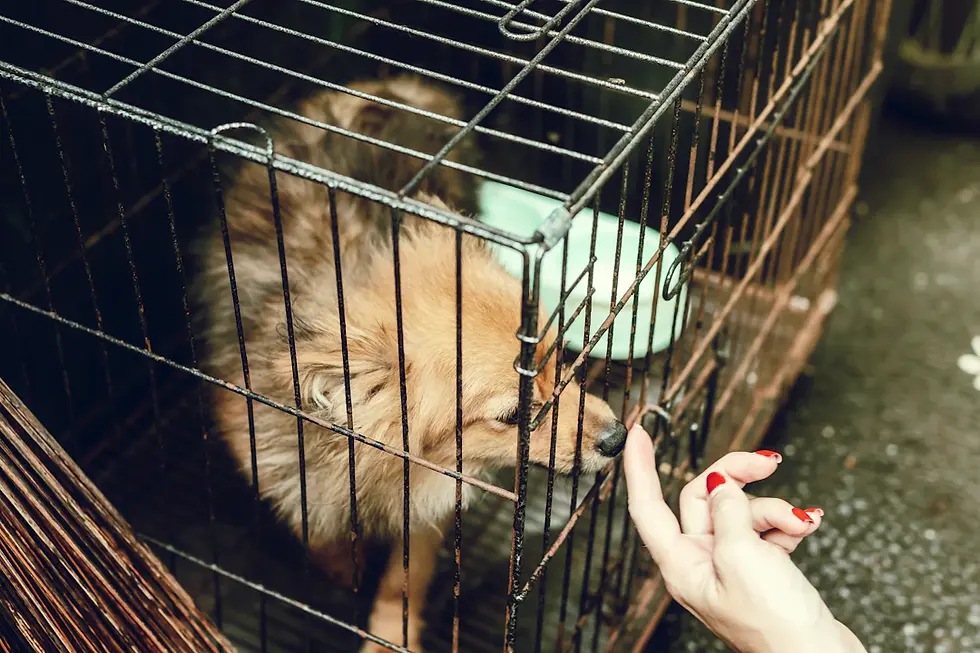
As a pet lover, you understand the power of companionship and the unique bond shared with animals. However, many pets need help beyond the four walls of your home. Volunteering at animal shelters not only provides essential support for these organizations but also enriches your life and the lives of countless animals. In this comprehensive guide, we will explore how you can make a significant difference in an animal's life while gaining unforgettable experiences. Get ready to roll up your sleeves and make a positive impact!
Why Volunteer at Animal Shelters?
Volunteering at animal shelters presents numerous benefits, both for the animals in need and yourself. Here are some compelling reasons to consider:
Contribute to Charity: Many shelters rely heavily on volunteers to operate. Your time can help with daily tasks, feeding, walking, grooming, and socializing with animals to prepare them for adoption.
Enhance Your Skills: Whether you’re interested in animal care, administrative work, or marketing, volunteering provides the opportunity to learn and develop valuable skills that can be applied in your career.
Build a Community: Working alongside like-minded pet lovers fosters lasting friendships and community involvement. You can share tips, experiences, and passion for animals.
Spend Time with Animals: If you’re unable to adopt a pet yet, volunteering allows you to interact with a variety of animals, giving them love and attention.
Boost Your Mood: Spending time with animals is a proven method for reducing stress and anxiety—making the world a better place, one pet cuddle at a time.
Getting Started: How to Volunteer at Animal Shelters
Ready to make a difference? Here’s a step-by-step approach to becoming a valued volunteer at your local animal shelter:
1. Research Local Shelters
Start by searching for animal shelters in your area. Look for those recognized as reputable charities. Check websites, social media pages, and community boards for any outreach programs, volunteer fairs, or events that showcase the work these shelters do.
2. Understand the Volunteer Requirements
Each shelter may have specific requirements, including age restrictions, commitment levels, and training sessions. Some may require a background check if you’re working closely with animals. Be sure to read through their guidelines fully.
3. Fill Out an Application
Once you’ve found the perfect shelter, fill out their volunteer application. This may include providing your contact information, availability, previous experience, and areas of interest. Ensure that you express your passion for animals and any relevant skills or experience, as shelters appreciate committed individuals.
4. Attend an Orientation Session
Most shelters will require new volunteers to undergo an orientation session. This gives you a chance to learn about the organization’s mission, policies, and procedures. Make sure to ask questions and express any concerns you might have during this time.
5. Choose Your Area of Focus
Animal shelters have various volunteer opportunities, including:
Animal Care: Feeding, grooming, and exercising the animals are vital tasks that directly contribute to their well-being.
Adoption Events: Many shelters organize events to promote adoptions. Help set up, guide potential adopters, or share heartwarming videos about the animals available.
Fundraising: Nonprofits depend on donations. Assist in planning fundraising events, managing donations, or securing sponsorships to keep the shelter running.
Administrative Support: If you prefer office work, shelters often need assistance with data entry, phone calls, or outreach programs.
Making the Most of Your Experience
Volunteering is not just about showing up—it’s about making a meaningful impact. Here are tips to enhance your experience:
1. Be Consistent
Regularly dedicating time, whether a few hours a week or month, demonstrates commitment. Shelters rely on volunteers for stability, so maintaining a consistent schedule is crucial.
2. Develop Relationships
Build connections with shelter staff, fellow volunteers, and, of course, the animals. This rapport can lead to new opportunities and jobs in the future, especially if you aspire to work in the animal care industry.
3. Share Your Experience on Social Media
Document your journey and share stories of the animals you meet. Use platforms like Instagram, Facebook, or TikTok to post updates, which may inspire others to volunteer and help raise awareness for the charity.
4. Use Your Skills
If you have specific skills like photography, graphic design, social media management, or event planning, offer your help in these areas. Your unique talents can significantly benefit the shelter’s outreach and fundraising efforts.
Overcoming Challenges
While volunteering can be fulfilling, it can also come with challenges. Here’s how to tackle common hurdles:
1. Emotional Strain
Witnessing the suffering of homeless animals can be emotionally taxing. It’s essential to practice self-care. Take breaks when needed, and remember that you are making a difference, even if it feels overwhelming at times.
2. Physical Demands
Working with animals can be physically demanding, especially if you are responsible for walking or lifting them. Stay hydrated, take care of your body, and communicate with the staff if any tasks feel too challenging.
3. Time Management
Balancing volunteering with work or personal life can be tricky. Use calendars and reminders to help schedule your time effectively, making it easier to develop and maintain a volunteering routine.
How to Encourage Others to Get Involved
As a passionate pet lover, you can play an essential role in expanding the volunteering community. Here’s how:
Invite Friends: Encourage friends, family, or coworkers to join you in volunteering. Plan group activities like a shelter clean-up day or an adoption event.
Create and Share Content: Use your social platform to share videos and stories from your volunteering experiences. Authentic and engaging content can motivate others to take action.
Host Informational Meetings: Inform your community about local shelters and the importance of animal welfare. Knowing the impact of volunteering can inspire others to lend a helping hand.
What to Expect After Volunteering
Your efforts tremendously benefit the shelter, and there are additional perks for you, too. Here’s what to expect:
1. Enhanced Understanding of Animal Care
Through hands-on experiences, you’ll learn about different breeds, personalities, and the general needs of animals. This knowledge can help you become a better pet owner or advocate for animal welfare.
2. Networking Opportunities
Many shelters are connected with other animal welfare organizations, veterinarians, and community services. Building relationships in these networks can open doors for future job opportunities.
3. Personal Growth
Volunteering often leads to increased empathy, compassion, and emotional intelligence. These soft skills not only help you in animal welfare but can also enhance other areas of your life.
Spread the Word: Inspiring Others to Help
Your journey as a volunteer not only benefits animals but also sets a powerful example for others in your community. Encourage others to hit the ground running, just as you have. By sharing your story, experiences, and the joy of working with animals, you could inspire countless pet lovers to become involved. Ultimately, your dedication and passion for these wonderful creatures can light the way for others to follow, fostering a vibrant community dedicated to animal welfare.
So what are you waiting for? Grab your sneakers, enlist friends, and head to that animal shelter. Together, we can create a better future for our furry friends—one wag at a time!
FAQs
Why should I consider volunteering at animal shelters?
Volunteering at animal shelters helps provide essential support to animals in need, enhances your skills, builds community, and offers a rewarding way to spend time with animals while boosting your mood.
How do I get started with volunteering at an animal shelter?
To get started, research local shelters, understand their volunteer requirements, fill out an application, attend an orientation session, and choose your area of focus.
What types of volunteer opportunities are available at animal shelters?
Volunteer opportunities include animal care, assisting with adoption events, fundraising, and providing administrative support.
What challenges might I face while volunteering and how can I overcome them?
Challenges can include emotional strain, physical demands, and time management. It's important to practice self-care, communicate with staff, and use tools like calendars to help manage your schedule.
How can I encourage others to volunteer at animal shelters?
You can invite friends to join you, create and share engaging content about your experiences, and host informational meetings to raise awareness about the importance of animal welfare.


Comments